
Practical Engineering Training for Real-World Careers
Build practical, industry-relevant engineering skills at Transafric College, Thika. Our School of Engineering combines classroom knowledge with hands-on training to prepare students for employment, self-employment, technical practice and further education.
Whether you are interested in electrical systems, electronics, plumbing or motor vehicle technology, our programmes are designed to give you practical skills that can be applied in the workplace.
Engineering Courses at Transafric College
Our School of Engineering offers certificate, diploma and other technical training programmes in areas including:
1Electrical & Electronics Engineering
Develop practical knowledge and technical skills in electrical and electronic systems. Training covers electrical installation, maintenance, troubleshooting and related technologies used in residential, commercial and industrial environments.
Study options include:
- Electrical & Electronics Engineering
- Electrical Installation
- Electronics-related technical training
2Wiring (Electrical Wireman) Grade I–III
Gain practical skills in electrical wiring and installation. The programme is suitable for learners who want to develop technical competence for residential, commercial and other electrical installation work. Students are introduced to electrical safety, wiring systems, installation procedures, tools, testing and maintenance.
3Electronics Engineering
Learn how electronic systems and components work and develop practical skills in installation, testing, maintenance and troubleshooting of electronic equipment.
4Plumbing
Develop practical plumbing skills for water supply, drainage and sanitary systems. Training focuses on installation, maintenance, repairs and safe working practices.
5Motor Vehicle Engineering
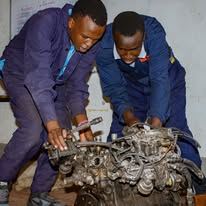
Prepare for opportunities in the automotive industry through practical training in motor vehicle systems. Students develop knowledge and hands-on skills related to vehicle maintenance, servicing, diagnostics and repair.
Why Study Engineering at Transafric College?
Choosing the right technical college can make a major difference to your career. At Transafric College, our engineering training focuses on practical skills that can be applied beyond the classroom.
Practical Skills Training
Hands-on learning so students can develop confidence using tools, equipment and technical procedures.
Industry-Relevant Training
Practical concepts and technical skills relevant to modern engineering and technical workplaces.
Multiple Study Levels
Certificate, diploma and other available technical levels, depending on the programme.
Career-Focused Education
Opportunities in employment, contracting, maintenance, technical services and entrepreneurship.
Convenient Location in Thika
Accessible to students from Thika, Kiambu, Murang’a, Nairobi and surrounding areas.
Engineering Career Opportunities
Graduates of engineering and technical programmes can pursue opportunities in areas such as:
With practical experience and further professional development, graduates can continue advancing their technical careers.
Who Can Study Engineering?
Our engineering programmes are suitable for:
- KCSE school leavers
- Students seeking technical and vocational skills
- Learners looking for practical career training
- Professionals seeking additional technical skills
- Entrepreneurs interested in technical businesses
- Students looking to progress to higher levels of education
Entry requirements vary depending on the specific programme and level of study. Contact Admissions to confirm what’s needed for your chosen course.
Learn Engineering Through Practical Training
Engineering is more than theory. It requires the ability to understand systems, solve problems, use technical equipment and apply knowledge safely and accurately. At Transafric College, students are encouraged to develop these practical abilities while building the technical foundation needed for their chosen career path.
Start Your Engineering Journey
Ready to build practical engineering skills for your future? Apply to Transafric College and choose an engineering programme that matches your career goals.
Phone: +254 722 518 307 / +254 714 558 559
Email: info@transafriccollege.ac.ke
Frequently Asked Questions
Which engineering courses does Transafric College offer?
Can I study engineering at certificate level?
Where is Transafric College located?
Is engineering training practical?
What careers can I pursue after engineering training?
How do I apply for an engineering course?
Build a Hands-On Engineering Career
From electrical systems to motor vehicles, choose a technical programme that puts practical skills first.