
Build Your Future in Technology at Transafric College
Technology is transforming how people work, communicate, run businesses and solve everyday problems. Our School of Information Technology provides practical learning opportunities for students who want to develop relevant digital and computing skills for further education, employment and entrepreneurship.
Whether you are a KCSE leaver looking to start a career in technology, a professional who wants to strengthen your computer skills, or an entrepreneur who wants to become more confident with digital tools, our Information Technology programmes provide different pathways to help you build your skills.
Located in Thika Town, Transafric College offers Certificate, Diploma and short-course options in areas including Information Communication Technology, Information Technology, Computer Engineering, Computer Science and Cyber Security, QuickBooks, Sage and Pastel, and Computer Packages.
Your technology journey starts with the right skills. Start it at Transafric College.

Information Technology Courses at Transafric College
The School of Information Technology offers programmes designed for different learning goals and levels of study.
| Course | Level / Duration |
|---|---|
| Information Communication Technology | Certificate – 1 year / Diploma – 2 years |
| Information Technology | Certificate – 1 year / Diploma – 2 years |
| Computer Engineering | Certificate – 1 year / Diploma – 2 years |
| Computer Science & Cyber Security | 1½ years |
| QuickBooks, Sage & Pastel | 1 month |
| Computer Packages | 2 months |
If you are unsure which programme is right for you, contact Transafric College for guidance based on your academic background and career goals.
Why Study Information Technology?
Information technology is no longer limited to traditional computer jobs. Digital skills are increasingly relevant across education, business, finance, communication, engineering, entrepreneurship and many other industries.
Studying IT can help you develop skills that can be applied in different working environments while also giving you a foundation for further studies and professional development.
At Transafric College, you can choose a programme based on the level of training you need and the direction you want your career to take.
You can choose to:
- Build a foundation in computer and digital skills
- Pursue Certificate-level IT training
- Progress to Diploma-level study
- Develop computer engineering knowledge
- Explore computer science and cyber security
- Learn accounting software such as QuickBooks, Sage and Pastel
- Improve your general computer proficiency through Computer Packages
Information Technology Programmes
1Information Communication Technology
Information Communication Technology, commonly known as ICT, focuses on the use of computers, digital technologies and communication systems. The programme provides a pathway for students interested in developing their knowledge of information and communication technologies — suitable for students who want to begin at Certificate level or pursue a longer Diploma pathway.
Who can consider ICT?
- Computers
- Digital technology
- Communication technology
- Information systems
- Technology-related careers
- Further studies in computing and related fields
2Information Technology
Information Technology is one of the core pathways offered within the School of Information Technology, designed for learners who want to develop their knowledge and skills in computing and information technology. Whether you are starting your technology journey or looking for a more advanced qualification, the Certificate and Diploma pathways provide options for different stages of study.
An IT qualification can provide a foundation for working with technology in different environments and can support further learning as technology continues to evolve. If you enjoy working with computers, solving problems and learning how technology works, Information Technology may be a suitable course to consider.
3Computer Engineering
Interested in the technical side of computers? Computer Engineering combines computing with engineering-related concepts and provides an option for students interested in the technical world of computers and technology — worth considering if you want to develop a career in technology grounded in how systems actually work.
4Computer Science & Cyber Security
As organisations become increasingly dependent on digital systems, understanding computers, information systems and cyber security has become increasingly important. This programme is suited to learners interested in the broader field of computing and the protection of digital systems and information. Cyber security is an important part of the modern digital environment — organisations need people who understand technology and the risks associated with digital systems, and students can later pursue additional specialisation as their careers progress.
5QuickBooks, Sage & Pastel
You don’t always need a long programme to develop a useful professional skill. These accounting and business software packages are useful for people who want to improve their ability to work with digital accounting and business records.
This short course may be useful for:
- Business owners
- Entrepreneurs
- Accounting students
- Office workers
- Finance-related employees
- Professionals looking to improve their software skills
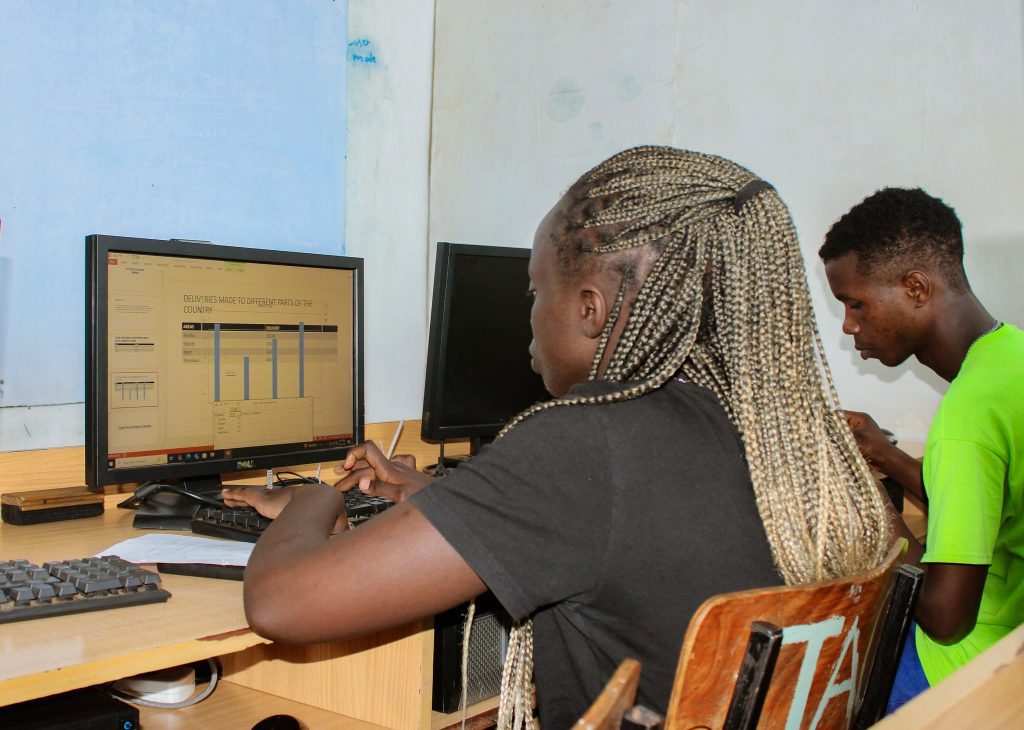
6Computer Packages
Strong computer skills are useful in almost every modern workplace. This can be a useful starting point for someone who wants to become more comfortable using computers before progressing to a specialised technology programme.
Computer Packages can be considered by:
- KCSE leavers
- Beginners
- Job seekers
- Entrepreneurs
- Office workers
- Students
- Professionals who want to strengthen their digital skills
Which IT Course Should You Choose?
The right programme depends on your interests, your current qualifications and what you want to achieve.
| If you are interested in… | Consider |
|---|---|
| General computing and digital technology | Information Technology |
| Information and communication technology | Information Communication Technology |
| The technical side of computers | Computer Engineering |
| Computing and digital security | Computer Science & Cyber Security |
| Accounting software | QuickBooks, Sage & Pastel |
| General computer skills | Computer Packages |
Still unsure? Talk to Transafric College before applying so you can understand the available programmes and choose a course that matches your goals.
Who Should Study Information Technology?
The School of Information Technology can be relevant to different types of learners.
KCSE Leavers
If you have recently completed secondary school and want to pursue a technology-related course, IT provides several possible pathways.
Students Seeking Practical Skills
If your goal is to develop useful computer and technology skills, choose from full programmes and shorter courses depending on your needs.
Working Professionals
A short course such as Computer Packages or QuickBooks, Sage & Pastel can help you add specific digital skills without committing to a longer programme.
Entrepreneurs
Technology and digital skills can help business owners become more confident when managing technology-related tasks and business operations.
Career Changers
If you are considering a transition into technology, starting with an appropriate IT programme can give you a foundation for further learning.
Certificate or Diploma: Which One Is Right for You?
Choosing between a Certificate and Diploma depends on your academic background, career plans and the level of qualification you want to pursue. For Information Communication Technology, Information Technology and Computer Engineering, Transafric College offers both pathways.
Certificate
1 YearProvides a starting point for learners entering a particular field — ideal if you want to begin building practical skills quickly.
Diploma
2 YearsProvides a longer period of study and may be appropriate for learners seeking a more advanced qualification.
Before applying, confirm the current entry requirements and progression options with the college.
Why Study IT in Thika?
Choosing where to study matters. Thika Town is a major urban centre with access to businesses, services, transport and a growing population of students and professionals. For learners living in Thika and surrounding areas, studying locally can provide a convenient option for pursuing technology education.
Start Building Your Digital Skills
Technology changes quickly. The skills you develop today can become the foundation for the opportunities you pursue tomorrow. Whether you want to study Information Technology, ICT, Computer Engineering, Computer Science & Cyber Security or develop specific computer and accounting software skills, the School of Information Technology gives you several options to explore.
Don’t choose a course simply because it is popular. Choose a programme that matches your interests, abilities and career direction.
Frequently Asked Questions
What IT courses does Transafric College offer?
Does Transafric College offer Information Technology?
How long does Information Technology take at Transafric College?
Does Transafric College offer ICT?
Does Transafric College offer Computer Engineering?
Does Transafric College offer Cyber Security?
Can I study Computer Packages at Transafric College?
Does Transafric College teach QuickBooks?
Where is Transafric College located?
Which IT course should I choose?
Can I study IT after KCSE?
Are there short IT courses at Transafric College?
Is Information Technology a good course to study?
How do I apply for an IT course at Transafric College?
Does Transafric College offer Certificate and Diploma IT courses?
Take the Next Step
Your technology career starts with learning the right skills. Whether you’re looking for a Certificate in IT, Diploma in IT, ICT course, Computer Engineering course, Computer Science and Cyber Security programme, Computer Packages training, or accounting software training, Transafric College has several programmes you can explore.
Contact Transafric College today to:
- Enquire about your preferred course
- Confirm entry requirements
- Ask about current fees
- Find out about upcoming intakes
- Get admission guidance
- Visit the college